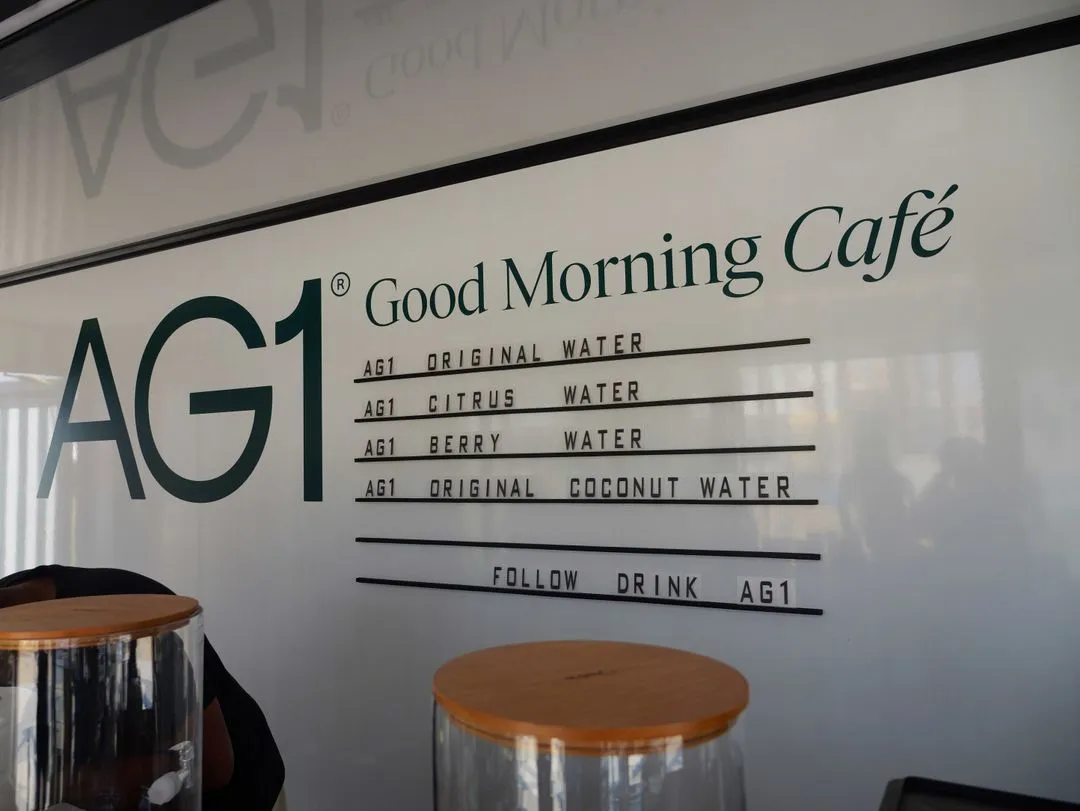
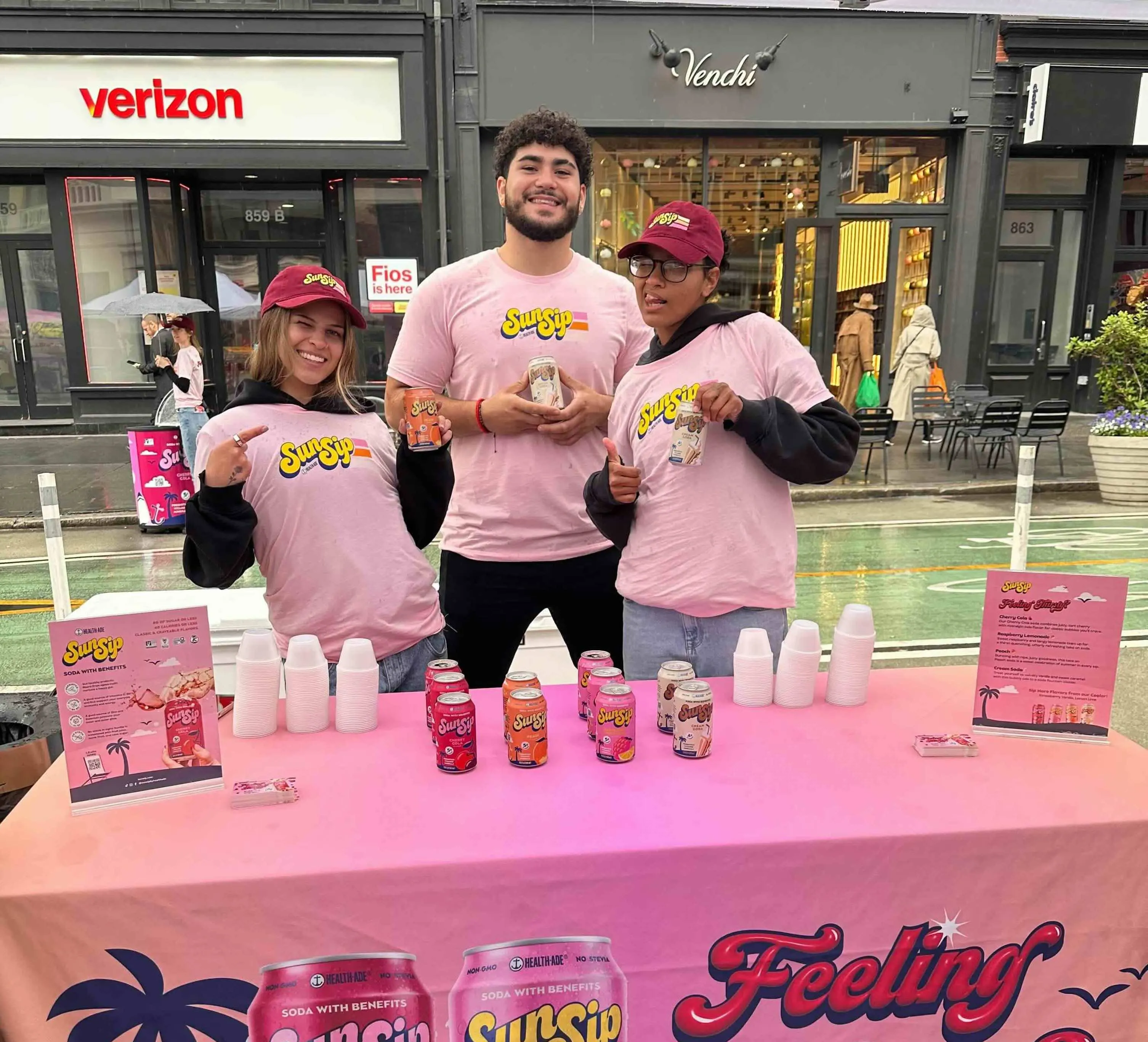
Food pairing strategies for product sampling turn a plain giveaway into a moment that sells by serving your product alongside a flavor that makes it shine. The right pairing gives sample recipients a reason to stop, taste, and remember, instead of grabbing a bite and walking on. Done well, pairing lifts conversion, sharpens brand recall, and gives shoppers a real sense of how your product fits their lives.
At Promobile Marketing , we started with a single burger truck in New York City and grew into a national experiential agency, and food has been at the center the whole way. Our CPG sampling team has handed out millions of samples for brands like Lemon Perfect, Amika, and Taco Bell, with in-house recipe development and chef partnerships that include José Andrés and Dominique Ansel. Food brands that want pairings to do the selling can contact us to plan the next campaign.
This article covers the food pairing method, reliable pairing strategies and tips, the psychology behind them, and how to run and measure a sampling event.
What Is Food Pairing in Product Sampling?
Food pairing in product sampling is the practice of serving a product with a complementary bite or sip that heightens its flavor and appeal. Handing out just the product tells shoppers what it tastes like; a smart pairing shows them how to enjoy it. That difference matters in a crowded marketplace where consumer attention is the scarcest thing on the shelf. Sampling is a powerful tool of experiential marketing, and pairing is what makes it convert.
Pairing works because taste is multisensory. Flavor, aroma, texture, and even the look of a sample all shape how people judge a food product. When multiple sensory cues line up, brand recall climbs and the experience sticks. According to EventTrack's Experiential Marketing Forecast and Benchmark Study , 61% of consumers are more inclined to purchase after an event, and a well-paired sample is one of the clearest ways to earn that intent. Beyond a single sale, paired sampling builds awareness and turns first-time tasters into loyal customers.
Understanding the Food Pairing Method The food pairing method is a simple principle: two foods taste better together when their flavors either complement or deliberately contrast each other. Complementary pairings share flavor traits — think cheese with fruit, dark chocolate with sea salt, or sparkling water with fresh citrus. The classics endure because they lower the barrier to trying something new; a familiar partner makes an unfamiliar product feel safe.
There is science behind the intuition. Many foods that pair well share aromatic compounds, which is why strawberries and cream or coffee and chocolate feel so natural together. The same logic extends to beverages: a sample paired with the right drink, from a crisp wine to a cold brew, reads as more premium than the product alone. The sensory principles that inform an effective pairing are identical to those we apply in the food brand activations we create for CPG clients.
Why Food Pairing Makes Sampling Work Free samples already move people; pairing makes them move more product. A free sample creates goodwill for your food products, and a thoughtful pairing turns that goodwill into intent. The numbers back it up:
Trial drives purchase. In EMI's EventTrack research , 78% of consumers said the chance to try a product first influenced their decision to buy it.Samples convert. The same study found 65% of consumers went on to purchase the product they sampled.Pairing raises perceived value. A gourmet partner frames your product as worth more, which lifts both taste expectations and willingness to pay.Multisensory sticks. Layered cues such as taste, aroma, and texture build stronger brand associations than a flavor alone.John LoCascio, Culinary & Ops Manager at Promobile Marketing, puts it plainly: "A sample is an assurance. Pair it well, and you are not handing out free food; you are handing someone the exact moment they will remember in the aisle a week later." We saw that in our Butterball x Bumble for Friends activation , which paired a seasonal tasting with a social hook so people connected the food to a feeling, not just a flavor.
Key Food Pairing Strategies for Product Sampling Strong pairings are built, not guessed. These strategies give any sampling campaign a repeatable framework.
Research Classic Flavor Combinations Start with pairings people already love, then bend them toward your product. Classic combinations carry built-in trust, so they lower resistance at the table.
Map two or three flavors that naturally complement your product. Test them against your target audience, not just your team's palate. Lead with the most recognizable option to pull hesitant shoppers in. Balance Flavor, Texture, and Weight A good pairing considers more than taste. Match the weight of the two foods so neither buries the other, and vary texture to keep the bite interesting.
Pair light with light and rich with rich to keep balance. Contrast a creamy product with something crisp for texture. Keep portions even so the pairing tastes intentional. Use Contrasting Pairings to Cleanse the Palate Contrast can be as powerful as harmony. A sharp or acidic partner creates a flavor clash that resets the palate and makes the next taste land cleaner. Think of a tangy pickle beside a rich cheese or citrus against something sweet.
Match Seasonal and Occasion-Based Moments Relevance sells. A summer pairing at an outdoor event or a cozy one during the holidays feels timely, which makes the sample more memorable. Pairings that ride a season or holiday borrow from the same brand activations and trend-based strategies that keep experiential campaigns current.
Keep Combinations Simple and Recognizable Complexity is the enemy of trial. Simple, recognizable pairings reduce the barrier to trying a new product because shoppers already know what to expect. Two clear flavors beat five clever ones almost every time.
Try High-Low Snacking High-low snacking mixes a gourmet item with a popular, everyday snack, sparkling water with a familiar chip, or artisan cheese with a supermarket cracker. The pairing feels accessible and elevated at once, which widens its appeal across audiences.
Leveraging Behavioral Economics in Food Pairing for Sampling The strongest pairings quietly use consumer psychology. A free sample triggers reciprocity — people who accept a taste feel a small pull to give something back, often a purchase. Pairing deepens the effect by adding sensory cues that raise perceived value and set clear taste expectations before the first bite. These cues are the behavioral economics of product sampling at work, and they explain why a paired sample outperforms the product served alone. Frame a product as premium with the right partner, and shoppers taste it as premium too. Building that into your pairing strategy improves the whole customer experience, not just one bite.
Food Pairing Techniques vs. Sampling Methods Pairing is what you serve; the sampling method is how you serve it. The two work together, and the table below sets pairing techniques beside the main product sampling methods so you can match them to a goal.
One real-world example: Food and beverage brand Knorr promoted a new liquid format of its chicken bouillon by serving it up in chicken tacos. This method not only allows consumers to sample the product, but it also demonstrates an excellent way to utilize it.
Technique / Method
Description
Benefits
Ideal Use Case
Classic combos Familiar, trusted flavor pairs Lowers trial resistance New product launches Cross-merchandising Sampling next to complementary retail items Drives basket add-ons In grocery stores Sensory education Guided tasting that explains the pairing Builds recall and loyalty Premium or complex products In-store sampling Live demos on the shopping trip Immediate same-visit sales Grocery and retail Direct mail sampling Samples mailed with online orders Lower shipping cost, wide reach E-commerce brands Event sampling Sampling at a branded experience Deep engagement, content Festivals and mobile tours
How to Plan a Food Pairing Sampling Event A pairing is only as good as the plan around it. Work through these steps in order.
Step 1: Define the Goal and Audience Every pairing plan starts with a single question: What do you want this event to do? Decide whether you are chasing trial, a sales uplift, or honest customer feedback, because the goal shapes every later choice. Then profile the potential customers you want at the table — their age, habits, and the reason they would stop for a taste. A sampling event aimed at busy parents looks nothing like one built for college students. Write the goal and the audience down before you plan anything else.
Build personas around characteristics of your ideal customers. Consider their cuisine preferences, which may be regional, trend-based, or tied to a particular season or holiday (such as tailgating foods during football season or Mexican fare for Cinco de Mayo).
Step 2: Choose the Product and Its Pairing With the goal set, pick one hero product and one or two pairings that fit your audience and the season. Match the pairing to how your audience actually eats; for example, a fitness-conscious crowd may skip high-fat or simple carbohydrate pairings, so lean toward lighter, protein-friendly partners. Where feasible, personalize the experience by offering a couple of pairing options so people can choose according to their own taste. Always include vegan and vegetarian options, and be clear about allergens and any ingredients that conflict with customers' religious traditions. A pairing that quietly excludes part of your audience caps your conversion before the event even starts.
Step 3: Set the Portion and Format Portion size decides how far your budget stretches and how the pairing lands. Small, bite-sized servings let you reach more sample recipients, cut waste, and keep the line moving. Serve the product and its pairing together in one neat portion so the two flavors hit at the same time. Pre-portion everything you can, which speeds service and keeps the table clean and hygienic. The right format makes the pairing feel intentional rather than improvised.
Step 4: Staff and Script It People remember the person who handed them the sample as much as the sample itself. Trained brand ambassadors who can tell the product's story turn a quiet handout into a real conversation. Give them a short script that names the pairing, explains the flavor logic, and offers one reason to buy today. Teach them to read the crowd, ask a quick question, and point shoppers to where the product sits on the shelf. Good staff is the difference between a taste people forget and one they act on.
Step 5: Plan Measurement Upfront Decide how you will measure success before the first sample is poured, not after the fact. Choose the metrics that match your goal — conversion rate, sales uplift, or customer feedback — and set up the tools to capture them. Brief the team to gather feedback at the table and track how many tasters convert on the trip. Capture emails or social follows where you can, so the data feeds your future campaigns. Measurement planned upfront turns one event into a sharper brief for the next.
Best Practices for Food Sampling in Product Sampling Campaigns Execution decides whether a great pairing survives contact with a busy store. Small upgrades to portion, temperature, and pairing elevate your sampling campaign from a giveaway into a measurable sales driver. Presentation and hygiene are vital, and a few new ways to maximize each serving keep costs down. The goal is a consistent taste delivered the same way every time.
Control temperature. Keep hot samples hot and cold samples cold; a lukewarm bite kills a good pairing.Serve hygienically. Use toothpicks, mini cups, and individual portions so guests never touch shared food.Minimize handling. Pre-portion samples to reduce cross-contamination and speed up the line.Add serving suggestions. A quick "try it with…" or a recipe card helps customers picture the product at home.Design the moment. Clean branding, clear signage, and a tidy table make the experience feel premium.Common Mistakes to Avoid When Pairing Food for Sampling Even strong campaigns trip on avoidable errors. Watch for these:
Mismatched flavors. A pairing that fights your product does more harm than serving it plain.Ignoring dietary restrictions. Offer a vegan or allergen-friendly option so no one is left out.Poor presentation. A sloppy table undercuts even a strong pairing and the brand behind it.Measuring Sampling Success If you cannot measure a sampling campaign, you cannot repeat what worked. Measuring effectiveness tells you which pairing, product, or service drove the result. Track a few clear metrics from the first event onward:
Conversion rate. How many people who tasted went on to buy, on the trip or later?Sales uplift. Movement on the sampled product versus a normal week.Customer feedback. Quick surveys at the table that capture taste, price, and pairing reactions.Sample size and cost. Servings are poured against the product used, so you know your cost per taste.Reach for future campaigns. Emails, follows, and content captured to fuel the next activation.A data-driven approach turns each event into a sharper brief for the one after it. Review results regularly, and note where a pairing beat what you expected so you can double down.
Creative Food Pairing Strategies for Retail Success Retail rewards pairings that do double duty, giving the retailer a reason to feature you. A few creative plays stretch a sampling budget further. For example:
Cross-merchandising. Place your sample beside the retail item it pairs with, so a taste becomes two products in the cart — one of many creative product sampling ideas that lift the basket.Branded vehicles. Custom-branded food trucks bring a paired tasting to festivals, campuses, and store lots where shoppers already gather.Influencer co-creation. Co-creating products with influencers gives a pairing built-in reach and a face people already trust.Utilizing Mobile Marketing Tours A pairing does not have to wait for shoppers to find it. A mobile marketing tour carries paired samples across multiple markets, delivering the same crafted tasting outdoors, at events, and in front of new customers city by city. Our Lemon Perfect tour handed out more than 300,000 samples across 51 live days — proof that a repeatable pairing scales when the truck comes to the crowd.