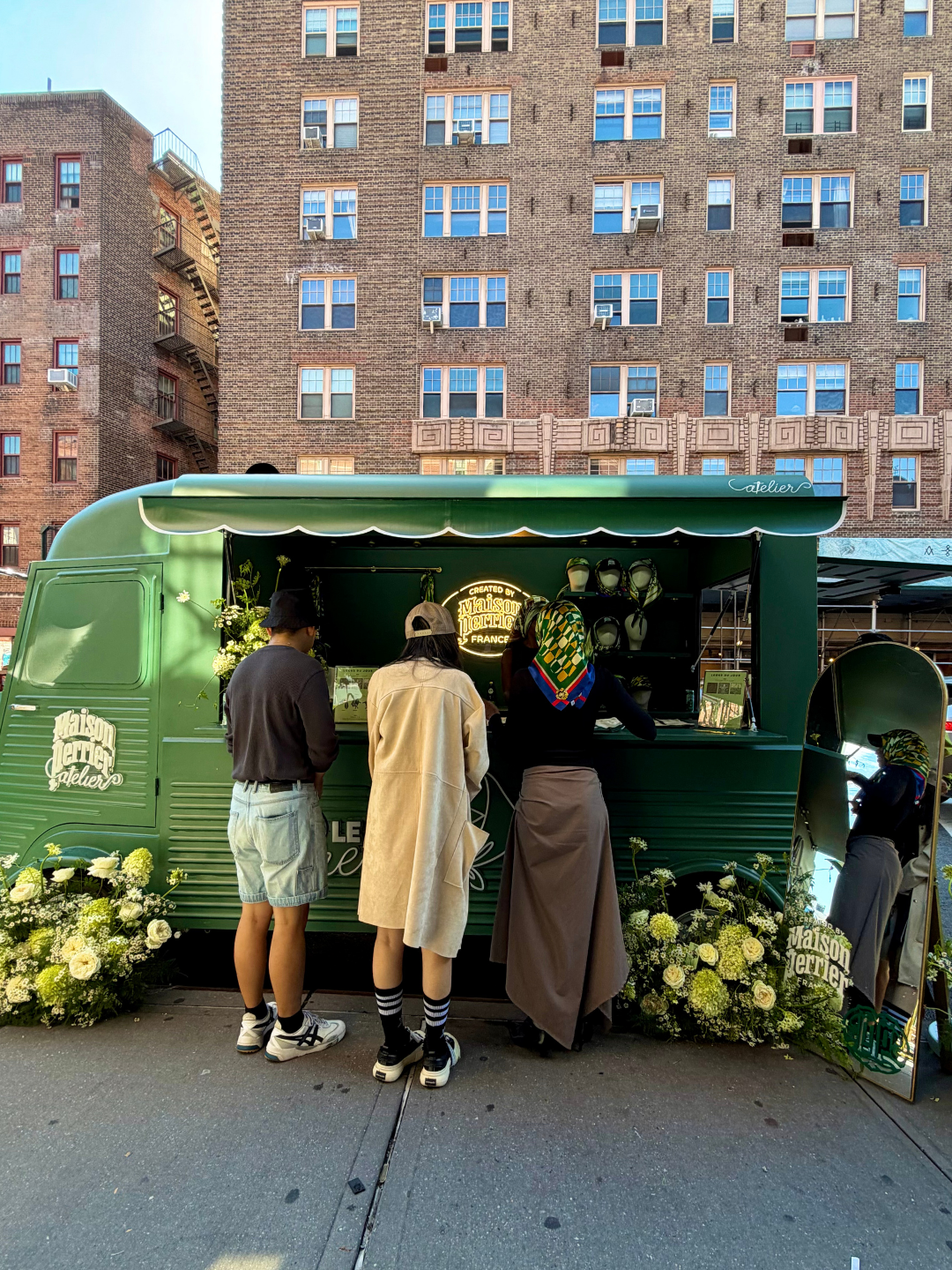
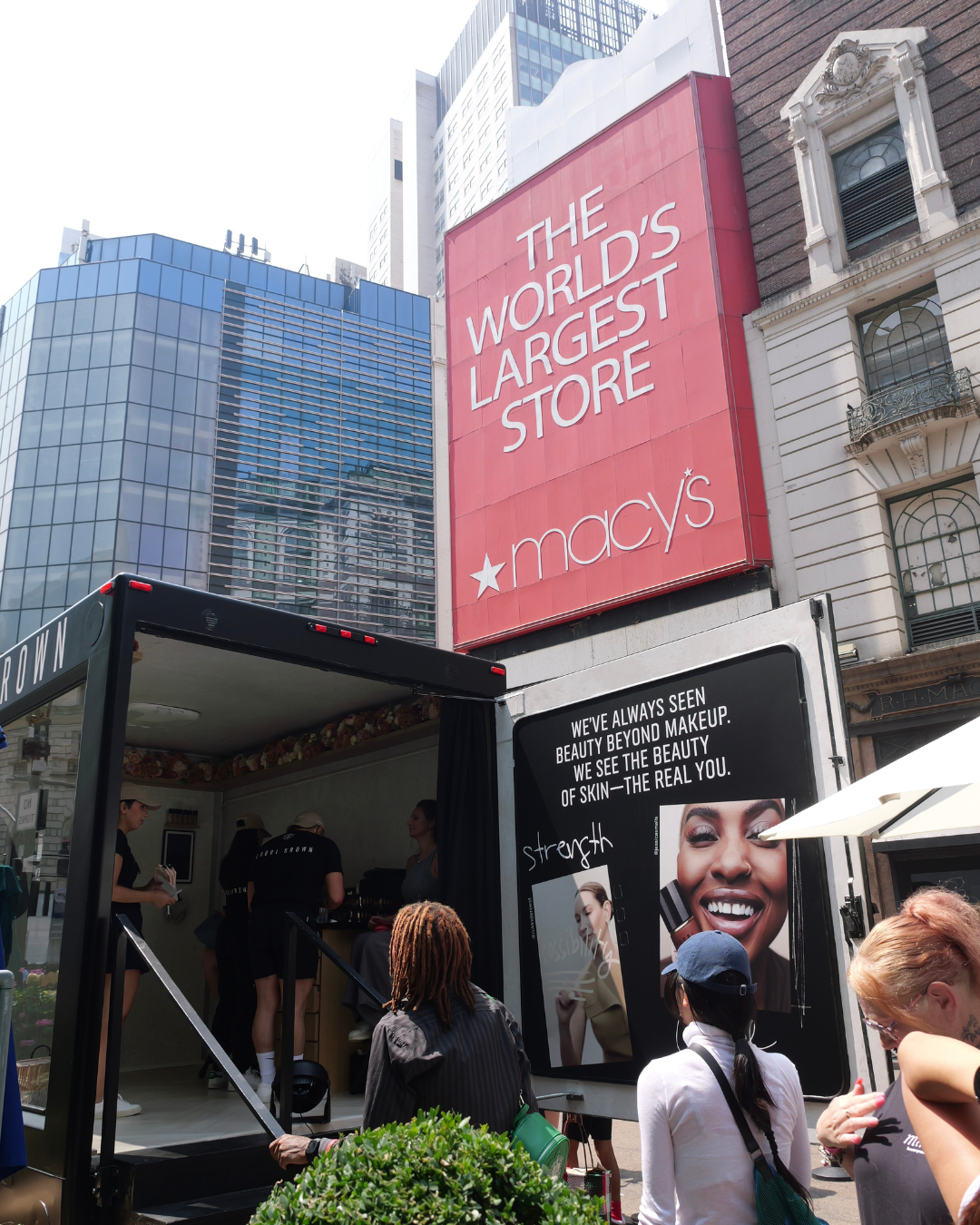
Roadshow marketing examples include branded mobile tours, product sampling routes, college campus stops, retail activations, pop-up shops, and live product demos. Each one takes a product to people in several cities instead of waiting for them to find it in a store or scroll past an ad.
Promobile started as one burger truck. Our founders bought it with their life savings and worked the streets of New York City. That truck became a fleet, and the fleet became a full-service experiential agency, now based at Dock 72 in Brooklyn. We still build and run our own vehicles, pull permits city by city, and staff tours for brands like Liquid I.V., Chobani, Walmart, Taco Bell, and Dove. Our "Feeding the Future" activation for The Economist won 16 global awards. If you have a launch or a tour coming up, tell us your markets and dates and we'll map out a route and budget for it.
The examples below come from that work. Twelve of the 15 formats are campaigns we ran, with the sample counts, cities, and signup numbers from each tour. The other three show how the format could work for tech, fintech, and automotive brands. After the list, we cover how we plan a multi-city route and the numbers we track at every stop.
What Is Roadshow Marketing? Roadshow marketing is a promotional campaign that brings a brand to its audience through a series of stops in different locations. A brand might park a wrapped truck outside a college stadium on Saturday, set up near a grocery store on Tuesday, and roll into a music festival that weekend. The audience doesn't have to come to you.
It's a form of experiential marketing. Experiential marketing covers any hands-on interaction between people and a brand; a roadshow is the version that moves. People get to taste the drink, try the moisturizer, or sit in the car, and a brand ambassador is standing right there to answer questions.
Brands use roadshows to launch products, put samples in hands, collect emails, test new markets, and sell on the spot. The research on in-person marketing backs this up. In Freeman's 2024 attendee survey, reported by PCMA , four out of five respondents named in-person events as the most trustworthy source of information. The same share picked events as their top source for discovering new products and services. A field study by Lia Zarantonello and Bernd Schmitt of Columbia Business School, published in the International Journal of Advertising , found that attending street events, trade shows, pop-up shops, and sponsored events raised brand equity. Brand experience was the main driver of that lift.
Picture a sunscreen brand launching a new SPF stick in June. It could spend the whole budget on social ads. Or it could send a branded van to Jones Beach, a Saturday farmers market in Austin, and a minor league ballpark in Charlotte, handing out samples and scanning QR codes for a coupon. The second plan puts the product on actual skin, and the team goes home with feedback and an email list.
15 Creative Roadshow Marketing Examples to Inspire Your Next Campaign Not every brand needs the same tour. A snack brand usually wins with sampling. A software company may need a demo station and a quiet corner to talk. Start with the product and the people you want to reach, then pick the format.
1. Branded Mobile Experience Trucks A wrapped truck with a built-out interior is the classic roadshow vehicle. It works as a billboard on the highway and a stage once it parks.
Liquid I.V. wanted to hydrate a million Americans in one summer. Promobile built two "Hydratrucks" with a custom hydration system developed with HOPE Hydration, which made each truck a self-sustained hydration station. Consumers could request a "Sip Stop" in their town, which let them help shape the route. Over 160 live days in 15 cities, the tour sampled more than 1.1 million sticks.
Trucks fit beverage, CPG, telecom, and consumer tech brands well. One wrapped vehicle can carry a mobile brand activation through a dozen cities without a new build at each stop.
2. Product Sampling Roadshows Sampling is the shortest path from "never heard of it" to "I'd buy that." Food, beverage, beauty, and personal care brands get the most out of it.
MUSH, the overnight oats brand, ran a sampling tour with us across Miami, Chicago, and New York City. Street teams worked run clubs, marathons, and commuter hubs, and the team dropped product at 133 boutique gyms and yoga studios. The tour handed out 56,658 products. Sixty-two percent of the people sampled had never tried MUSH before.
That second number matters more than the first. Good CPG product sampling reaches new buyers instead of feeding fans who already buy the product.
3. Interactive Gaming and Competition Roadshows Games give people a reason to stay longer than ten seconds. A short challenge, a leaderboard, or a prize wheel turns a walk-by into a conversation.
For Columbia Sportswear's PFG line, Promobile ran a four-stop tour of SEC campuses tied to big football matchups. The footprint included a multiplayer fishing arcade game, a fishing-themed photo booth, and an apparel display, with an onsite culinary team serving local favorites. The four stops drew more than 7,500 attendees, served 4,500 meals, and gave out over 8,000 pieces of swag.
The game should connect to the product. A fishing game for a fishing apparel line makes sense. A random trivia wheel for the same brand would not.
4. University and Campus Roadshows College students spend most of their day in a few square miles, and they talk to each other constantly. That makes campuses one of the most efficient roadshow stops in the country.
Yerba Madre used a 27-week campus tour to refresh its brand with students. Promobile ran branded Rivian EVs to 154 college campuses in 30 cities, plus festivals and fitness hubs, serving both cold cans and hot mate. The tour distributed 324,000 samples, beating its goal, and generated about 884,600 impressions.
Campus tours work for beverage, food, fintech, tech, and personal care brands chasing 18- to 24-year-olds. Plan around the academic calendar: move-in week, homecoming, and finals all bring different crowds.
5. Shopping Mall and Retail Roadshows Shoppers at a mall or grocery store are already in buying mode. A demo or sample at that moment sits a few aisles away from the shelf.
La Colombe ran an in-store sampling program with us at H-E-B and Hy-Vee locations, alongside events at Villanova and UT Dallas. Across 25 live days at 25 locations, the team sampled 24,066 drinks. The tour also showed which flavors people liked most: Vanilla Oat, Mocha, and Triple Draft Latte.
Malls suit beauty, fashion, electronics, and kitchen appliance brands. A live demo of a new blender at a mall entrance, with a discount code good at the store inside, links the experience to a sale.
6. Music and Entertainment Roadshows Live music, DJs, and fan moments pull crowds that a sample table alone won't. The entertainment brings people in; the product gives them something to remember.
During the 2026 World Cup, Taco Bell and Edelman worked with Promobile on simultaneous LOCOS fan experiences in New York City and Los Angeles. Custom LED food trucks served Doritos Locos Tacos, and fans recorded confessionals in a "Scream Booth." The two cities logged 2,704 fans engaged, 3,000 tacos served, and 469 Scream Booth confessionals.
Tie the entertainment to something people already care about, like a big game, a local festival, or a summer concert series, and the tour borrows that crowd.
7. Technology and Virtual Reality Roadshows Some products are hard to explain on a flyer. A phone camera, a smart home system, or a new car interface makes more sense once someone holds it.
Tech roadshows use touchscreens, AR filters, and VR headsets to let people try features on the spot. A phone maker could set up camera challenges at outdoor malls, where people shoot a photo in low light and compare it with their own phone. A home builder could use VR headsets at a home show to walk buyers through a house that isn't framed yet.
Staff these stops with people who know the product well. A slow or confused demo does more harm than no demo at all.
8. Beauty and Makeover Roadshows Beauty buyers want to see the product on their own skin or hair before they spend money. A roadshow gives them that, plus a person to ask.
Amika introduced its "Smooth Over" frizz treatments with a customized glass box truck. The tour kicked off in Austin during SXSW, then moved through Houston, Nashville, and Miami, and guests posed for selfies in a shower-themed photo op. The tour reached more than 4,000 guests, handed out 10,500 samples, and collected over 2,000 new email signups.
Olive Young took a similar route into the U.S. market. Its K-Beauty glass truck stopped in NYC, Austin, and Miami near Sephora locations, so visitors could go buy what they'd just tried.
9. Financial Literacy and Fintech Roadshows Banking apps and budgeting tools are hard to sample, but they are easy to teach. A financial literacy roadshow leads with useful information and introduces the product along the way.
A fintech company could set up at college campuses during the first week of the semester, when students are setting up accounts and budgets. Short sessions on building credit or splitting rent, a five-minute budgeting game, and help downloading the app would give students something useful and give the brand signups. In business districts, the same tour could swap in topics like retirement accounts or small business payments.
Keep the tone helpful. People can tell when a "workshop" is really a sales pitch.
10. Health and Wellness Roadshows Health roadshows bring screenings, education, and services to people who might not otherwise get them. Hospitals, insurers, pharma brands, and fitness companies all run them.
The largest health roadshow Promobile has run was public, not commercial. At the height of the COVID-19 pandemic, New York City needed to reach residents who had no easy way to get to vaccination sites. We designed and built 21 buses with medical facilities on board, sent them into hard-to-reach neighborhoods in all five boroughs, and coordinated more than 360 medical staff. More than 357,000 additional New Yorkers got vaccinated.
Brand-led versions can be smaller, such as free blood pressure checks at grocery stores or fitness classes in a park. Have licensed professionals handle anything clinical.
11. Community Engagement Roadshows Community roadshows give a town something it can use. A digital skills class, a free meal, or a cleanup day all count. The brand shows up as a good neighbor.
Newman's Own built a national tour around its practice of giving 100 percent of profits to help kids. Working with DCx and The Door, Promobile ran a custom food truck that served Newman's Own pizza on a pay-what-you-want basis, with all proceeds going to kids' charities. A "Generosity Index" ranked which cities gave the most, which set off some friendly competition between communities. The tour delivered more than 1.2 million samples and over 20 million product impressions, and it was featured on Good Day New York.
Partner with local groups that people in the area already trust.
12. Automotive Test-Drive Roadshows Car buyers want to sit in the seat and feel the acceleration. A test-drive roadshow brings the lot to them.
An EV maker launching a new crossover could tour suburban shopping centers, office parks, and county fairs, with a few cars on display and a separate fleet for supervised drives. Charging demos answer the range question on the spot. A QR code at the end of each drive can book a dealer follow-up while the experience is fresh.
Dealer groups can run smaller versions at local events. Plan for insurance, licensed drivers, and a marked course well before the first stop.
13. Pop-Up Retail Roadshows A pop-up roadshow is a store on the move. People can browse, try, and buy without a permanent lease behind it.
OLIPOP used the format to promote its partnership with the SpongeBob film. Promobile built the "OLISHOP," a pineapple-themed gullwing Airstream stocked with SpongeBob merch, games, photo ops, and samples of an exclusive Pineapple Paradise flavor. Buying OLIPOP in-store earned shop currency that customers could spend on exclusive merch, so the pop-up drove real retail sales. It stopped at major retail locations, including Krogerfest.
Fashion, beauty, and emerging DTC brands get a lot from retail pop-ups , since each stop doubles as a test market.
14. Seasonal and Festive Roadshows Holidays and seasons come with built-in crowds and built-in reasons to buy. A roadshow timed to them feels relevant without much explanation.
Sweetgreen timed its new wraps to graduation season. Promobile ran a branded Sweetgreen food truck to commencement events in New York City, Washington, D.C., and Chicago, serving fresh wrap samples to grads and their families. The tour handed out 9,500 wraps and 10,050 cards worth $5 each, giving people a reason to visit a store soon after.
Other windows to plan around include back-to-school, summer beach weekends, football season, Thanksgiving, and the winter holidays. Add a local touch at each stop, like a regional food partner or a hometown performer.
15. Influencer-Led Roadshows Influencers and celebrities give people a specific reason to show up on a specific day, and their posts reach everyone who couldn't make it.
CookUnity ran a seven-day food truck tour across New York City neighborhoods with a different celebrity chef each day, including Marcus Samuelsson, Rocco DiSpirito, and Esther Choi. Each stop served chef-crafted samples and free full meals, with QR codes driving signups. The week handed out 6,901 full meals and 3,380 samples and logged 10,200 direct impressions. The tour was also built as a test, so CookUnity could compare locations, timing, and sampling formats before planning its next campaign.
Match the creator to the product. A chef sells meals; a skincare creator sells serums. Plan the content schedule ahead so posts go up before, during, and after each stop.
How to Plan a Successful Roadshow Marketing Campaign Start with one main goal. A product launch, an email list, retail sales, or entry into a new market each calls for different stops, staff, and metrics. Write the goal down with a number attached before you pick a single city.
Then decide who you need to reach and where they spend time. Students mean campuses and college towns. Parents mean parks, beaches, and big-box parking lots on weekends. Runners mean race expos and Saturday run clubs. For a multi-city tour, check each market's calendar for festivals, games, and local events you can plug into.
Next, design what people will actually do at each stop. Pick one or two core activities, such as a sample and a photo op, or a demo and a short game, and build the footprint around them. Tents, signage, screens, and giveaways should support that activity.
Logistics decide whether the plan survives contact with the road. Map the route with buffer days, especially on multi-city roadshows , where one rained-out stop pushes back every stop after it. Secure permits early, since many cities require them for sampling and for parking a branded vehicle on public streets. Have a backup location ready for every stop in case of weather or a closed lot.
Hire and train brand ambassadors who can talk about the product without a script. They're the face of the brand at every stop, and they should tell the same story in Denver that they told in Dallas.
Before launch, announce the dates and locations on social media, through email, and with local partners. Once the tour is live, track results daily so you can shift staff or swap locations mid-tour if a stop underperforms.
How to Measure the Success of Your Roadshow Marketing Campaign Measuring a roadshow tells you what worked, which cities to return to, and whether the tour paid for itself. Track these metrics at every stop, not only at the end, so you can compare markets side by side.
Metric What to Measure
Locations visited Cities, campuses, stores, or venues covered, to show the tour's reach Attendance and reach People who stopped and interacted at each location Samples distributed Units handed out, to measure product trial New-to-brand rate Share of people sampled who had never tried the product Demonstrations People who took part in a demo or tried the product on site Leads and signups Emails collected, app downloads, registrations, and inquiries Social engagement Hashtag use, brand mentions, shares, and attendee photos and videos Sales and redemptions Purchases, coupon or QR code redemptions, and subscriptions tied to the tour Feedback Survey responses and staff notes on what people liked and questioned
Need Help Bringing Your Roadshow Marketing Campaign to Life? A roadshow runs on details: routing, permits, vehicles, staffing, and the experience at each stop. Promobile Marketing has handled all of that from our Brooklyn headquarters on national tours like Liquid I.V.'s Hydration Nation, Yerba Madre's 154-campus run, and New York City's mobile vaccine clinics.
If you're planning a tour, send your target markets, dates, and budget range through our quote request form . We'll come back with a route, a footprint concept, and a plan for measuring results.