Sincerity brand personality examples show how brands use honesty, warmth, authenticity, and down-to-earth messaging to build a strong emotional connection with customers and create lasting brand loyalty. These sincere brand personality traits help brands feel more relatable and trustworthy because consumers are increasingly drawn to authentic brand personality, human characteristics, and brand values that align with their own beliefs, expectations, and everyday experiences.
At Promobile Marketing , we have spent over a decade helping brands develop strong brand identity, well-crafted brand personality strategies, and marketing campaigns that connect with current and future customers on a deeper level. If your business wants to create a sincere brand personality, position itself alongside sophisticated brands, or build stronger customer relationships through a unique brand voice and visual identity, our team helps businesses create marketing strategies that strengthen brand image, customer loyalty, and long-term emotional connection. Contact us now.
In this blog, we will explore sincerity brand personality examples, the five core dimensions within the brand personality framework, and how sincere brands differ from excitement brands, competence brands, sophistication brands, and ruggedness brands.
What Is a Brand Personality? What do Patagonia, Allstate, Campbell's Soup, and Oprah have in common? Admittedly, not much at first glance, but consider these brands' personalities: thoughtful, compassionate, comforting, down-to-earth, honest, pleasant, and transparent. Most importantly, they're sincere.
These brands are what marketers call “sincerity brands,” one of the designations that comprise the concept of “brand personality.” Pioneered by behavioral scientist and marketing professor Jennifer Aaker in a landmark 1997 journal article, brand personality is useful as a tool for developing and honing a sense of “who” a brand is.
Talking about a brand's personality might seem irrelevant to brand identity or positioning, but it's actually critical information when it comes to marketing strategy, says branding agency Ignyte . “It may seem like a soft and fuzzy concept, but the world's most valuable brands have personalities that are instantly familiar to their customers.”
At its most basic, a brand's personality is how you might describe the brand if it were a person, explains a recent Hubspot post . Viewed through the lens of marketing and advertising, brand personality gives consumers something to relate to. And just as our own individual personalities help us differentiate ourselves from each other and find other humans with whom we share values and interests, brand personality helps consumers connect with brands that reflect some aspect of who they are and what they aspire to become.
Brands express their personalities through messaging and imagery in their marketing and advertising campaigns, but also through their websites, packaging, and interactions with customers. Whenever and wherever the brand connects with customers, its personality is expressed. For this reason, consistency is critical to establishing a brand personality, say marketing experts. “Social media accounts, marketing campaigns, and marketing materials should all reflect the brand story, personality, and tone of voice you chose when you built your brand,” says an Adobe blog post.
Consistency is key. “Like people, brands have recognizable characteristics that stem from the way they think and feel about the world,” explains Ignyte. “The more relatable and consistent your brand personality is, the more your audience will come to recognize it.” Strong, memorable brands have personalities of all kinds; what sets them apart from other brands is not so much the personalities themselves but the fact that those personalities hold up across consumer touchpoints.
What Is a Sincerity Brand? Sincerity is one of the five or so brand personalities that are widely recognized and used by marketers. Similar to archetypes, these personalities are less “types” and more categories. A brand personality can encompass many traits, and brands can carry traits of several personalities, with one or two taking the lead.
Sincerity In sincerity brands' messaging and advertising, they project care, warmth, friendliness, and a wholesomeness that feels authentic. Authenticity is indeed one characteristic of sincerity brands, and these brands often reinforce authenticity through transparency about corporate values and the ways they live up to their promises. While many brands such as Disney, Madewell, Pampers and Hallmark fit the sincerity mold, Patagonia is perhaps the one most often cited as a sincerity brand. From its simple, powerful mission statement — “We're in business to save our home planet” — to its commitment to reducing its environmental footprint and its transparency about those efforts, Patagonia projects the honesty, responsibility, and down-to-earthness that are the hallmarks of sincerity brands.
Competence Intelligent, reliable, and successful, competence brands “are the brands we trust with the most important things in our lives, including our money, our health, and our safety,” says Ignyte. While there are competence brands (and brands with competence traits) across every industry, brands in fields like finance, logistics, and healthcare tend to cultivate competence traits. Blue Cross Blue Shield, American Express, Microsoft, and UPS are well-known competence brands.
Excitement Excitement brands are daring, high-spirited, and creative. Their messaging is about pushing boundaries — personal, cultural, technological — and their high-energy marketing is often targeted at youthful consumers. Energetic, imaginative, and cutting-edge, excitement brands “traffic in unlocking wonder or thrills,” says Ignyte. Nike embodies the excitement brand personality, as do Red Bull, Ferrari, and Virgin.
Sophistication Targeting consumers who want the best of the best, sophistication brands are classy, elegant, luxurious, and charming. High-quality materials and thoughtful design are part of the appeal, and serve as justification for the higher prices common among sophistication brands. “Brands with a sophisticated personality play on our desire for premium, elevated products and experiences,” says Ignyte. Chanel, Apple, Mercedes, and Rolex are examples of sophistication brands.
Ruggedness Durability, hard-working, and often outdoorsy, ruggedness brands communicate unpretentiousness and a connection to nature. These brands value authenticity and faithfulness to core values, two things they share with sincerity brands, but they often have a physicality and toughness about them too. Some well-known ruggedness brands include Yeti, Jeep, Jack Daniel's, Levi's, and Harley Davidson.
How Can I Make My Brand a Sincerity Brand? Consider the sincerity brand's most commonly listed traits: honesty, wholesomeness, cheerfulness, caring. A blog post by marketing platform Tailwind adds qualities like calmness, decency, morality, warmth, and generosity to the mix.
Do aspects of your brand's identity, story , or core values line up with any of those traits? Without stretching beyond authenticity, are there ways to emphasize these traits?
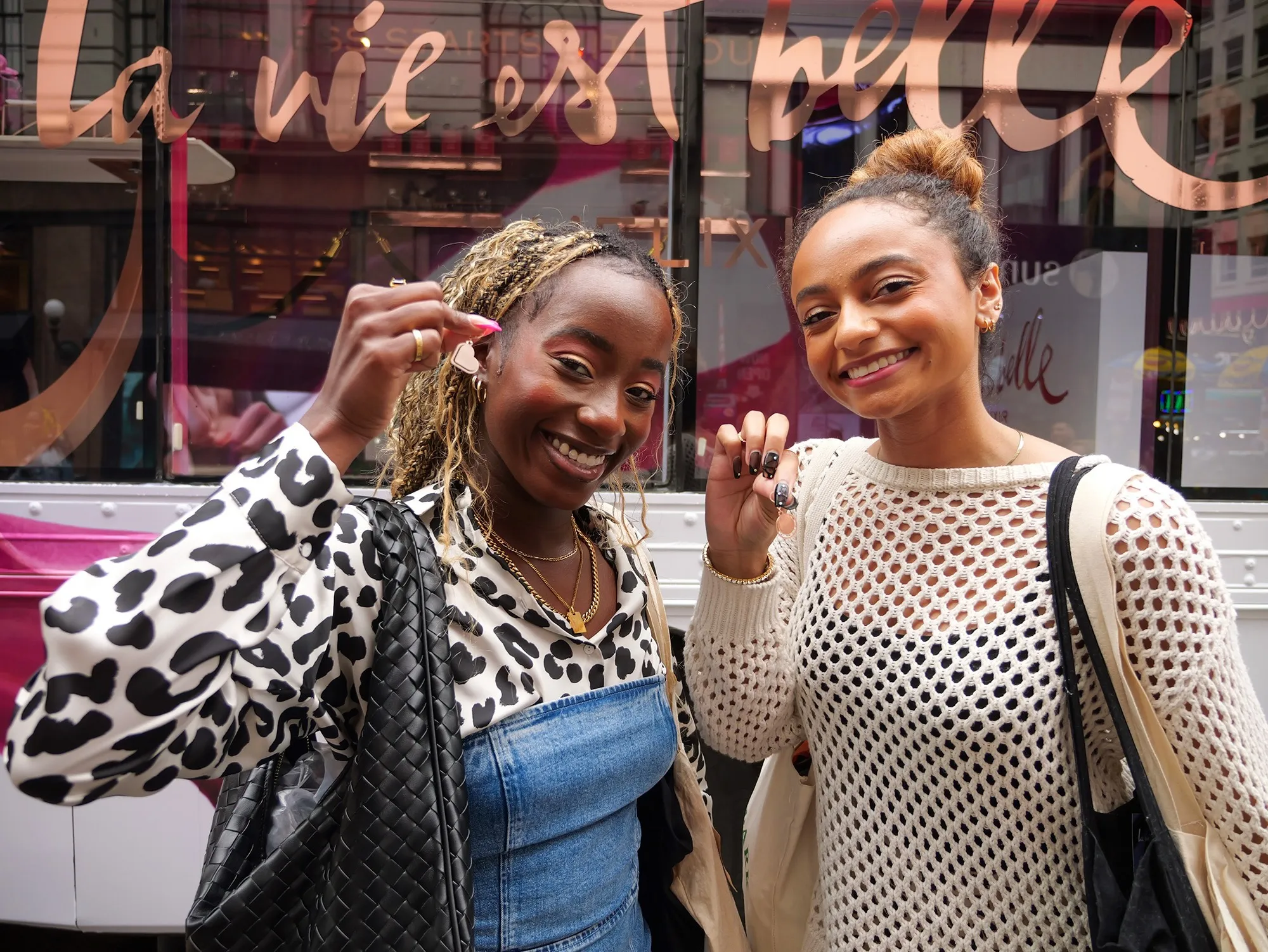
Consider how you might represent sincerity brand traits in your marketing, advertising, and messaging. Extending further, how might you express these characteristics in experiential marketing events like brand activations, pop-ups, and other face-to-face interactions with consumers?
“Brand personality is how your company expresses itself through its tone of voice, core values, beliefs, and visual identity,” says Adobe. Starting from a place of clarity about your brand's authentic personality, look for ways to share your brand's story and values visually and creatively. Working with marketing and branding experts can be a way to shorten the journey toward full expression of your brand's personality.
At every step, keep in mind that the goal of identifying and expressing your brand's personality is finding your true audience — the people with whom your brand will resonate most strongly — and building authentic emotional connections with them. Brand personality helps customers relate to brands with whom they have something in common. “And it also inspires you to connect with certain brands that demonstrate characteristics you hope to develop,” says Hubspot. In that sense, for the customer, brand personality is aspirational. Connecting with brands that embody traits we value will, we hope, make us more fully embody those traits ourselves.
Sincerity Brand Personality vs Other Brand Personalities In our experience, the most successful brands build strong emotional connection by consistently expressing personality traits through their tone of voice, visual identity, customer interactions, marketing materials, and overall brand communications. The table below showcases the difference between a sincerity brand personality and other brand personalities:
Brand Personality
Key Traits
Emotional Connection
Example Brands
Sincere Brand Personality
Honest, down-to-earth, wholesome, friendly, authentic, trustworthy
Builds comfort, trust, warmth, and strong brand loyalty through relatable messaging and authentic brand personality
Coca-Cola, Dove, Hallmark
Excitement Personality
Energetic, imaginative, daring, youthful, trendy
Creates excitement, adventure, social media engagement, and emotional energy
Red Bull, Nike, GoPro
Competence Brands
Reliable, intelligent, efficient, dependable, successful
Builds confidence, security, and customer trust through professionalism and consistency
Microsoft, Toyota, LinkedIn
Sophistication Brands
Elegant, luxurious, refined, prestigious, aspirational
Creates admiration, exclusivity, and premium emotional appeal tied to status and luxury
Rolex, Chanel, Mercedes-Benz
Rugged Brand Personality
Tough, adventurous, outdoorsy, masculine, durable
Builds emotional connection through freedom, resilience, and adventurous lifestyle positioning
Jeep, Patagonia, Harley-Davidson
Top Sincerity Brand Personality Examples and Why They Work One of the best ways to understand sincere brand personality is by looking at real-world brand personality examples that consistently build trust, emotional connection, and strong brand loyalty with consumers. Sincerity brands succeed because they create authentic brand personality through honest messaging, relatable storytelling, strong brand values, and customer interactions that feel human rather than overly corporate.
1. Hallmark Hallmark is one of the most recognizable sincerity brand personality examples because its entire brand identity revolves around emotional connection, family relationships, and heartfelt communication. The company’s tone of voice, marketing materials, and advertising campaigns consistently focus on warmth, kindness, nostalgia, and meaningful life moments.
One reason Hallmark works so well as a sincere brand personality example is its ability to create a strong emotional connection without appearing forced or overly promotional. Its marketing campaigns often focus on authentic human experiences such as family reunions, friendship, grief, holidays, and love, helping customers feel emotionally understood and personally connected to the brand.
2. Dove Dove is another strong example of a sincere brand personality because the company has consistently positioned itself around authenticity, self-esteem, and social responsibility rather than unrealistic beauty standards. Its well-known “Real Beauty” campaign became one of the most influential marketing campaigns in modern marketing because it challenged traditional beauty advertising and focused on real people instead of heavily edited perfection.
The campaign resonated strongly with current and future customers because it aligned closely with Dove’s core values and brand voice. Rather than focusing only on product features, Dove built a strong emotional connection by addressing real insecurities and customer expectations surrounding beauty and self-image.
We recommend brands pay attention to how Dove maintains consistency across its brand communications, visual identity, and customer experience. In our experience, sincerity brands become more relatable when their brand story, social media platforms, and marketing strategies consistently reinforce the same authentic personality traits.
3. Patagonia Patagonia stands out because it combines a sincere brand personality with elements of rugged brand personality and strong social responsibility messaging. The company has built a strong brand identity around environmental activism, sustainability, transparency, and ethical business practices rather than focusing solely on sales or product promotion.
One of Patagonia’s most famous campaigns encouraged consumers to think carefully before purchasing new products in order to reduce waste and environmental harm. In our experience, this type of honesty strengthens customer trust because it demonstrates that the brand values long-term impact and authenticity over short-term profits.
Patagonia also reinforces its brand heritage through consistent customer interactions, environmental activism, and community involvement. This creates stronger relationships with consumers who share similar core values and helps build long term brand loyalty through emotional connection and shared purpose.
4. Coca-Cola Although Coca-Cola is one of the largest global brands, it frequently uses sincerity personality traits in its marketing campaigns by focusing on happiness, togetherness, family, and shared human experiences. Many of the company’s advertising campaigns emphasize emotional storytelling rather than simply promoting the product itself.
For example, Coca-Cola’s “Share a Coke” campaign personalized products with customer names, encouraging people to connect with friends and loved ones through small emotional moments. In our experience, campaigns like this help brands feel more relatable and approachable because they focus on human traits and everyday social connection instead of aggressive selling.
Coca-Cola’s sincere brands approach also works because its brand act consistently reflects optimism and inclusivity across multiple cultures and target markets. This consistency helps maintain a strong emotional connection with prospective customers around the world.
5. Airbnb Airbnb is a more modern example of authentic brand personality built around belonging, trust, and community. The company’s brand strategy focuses heavily on real stories from hosts and travelers, helping customers emotionally connect with the idea of shared experiences and human connection.
Rather than positioning itself only as a booking platform, Airbnb created a well defined personality centered on inclusivity, local experiences, and meaningful travel. Its tone of voice, social media platforms, and brand communications consistently emphasize emotional storytelling and customer experiences over transactional messaging.
In our experience, Airbnb succeeds because it understands that sincerity brand personality matters most when brands make customers feel personally seen and emotionally valued. By focusing on real human experiences and building relationships through storytelling, the brand creates stronger emotional connection and long term customer loyalty.
Common Mistakes to Avoid When Building a Sincerity Brand Personality Building a sincerity-driven brand personality can create stronger emotional connections, improve customer trust, and increase long-term loyalty. But sincerity is also one of the easiest brand traits to get wrong. Consumers today are highly sensitive to messaging that feels performative, inconsistent, or disconnected from reality.
Here are some of the most common mistakes brands make when trying to position themselves as authentic and trustworthy, and what businesses can learn from them:
1. Appearing Authentic Only During Campaigns One of the biggest mistakes brands make is treating sincerity like a seasonal marketing strategy instead of a long-term operating principle. Customers quickly notice when a company suddenly becomes “human” only during a PR crisis, social issue, or campaign cycle.
A sincerity-based brand personality should show up consistently in customer support, leadership communication, company culture, and product experience, not just in advertisements. For example, several brands have faced backlash after promoting social causes publicly while employees or customers reported contradictory internal practices. The issue is rarely the campaign itself. The problem is the disconnect between messaging and reality.
As Dominick Tomanelli explains, “Customers are not looking for perfect brands anymore. They are looking for honest brands. The moment your messaging feels more polished than truthful, people begin to disconnect emotionally from the business.”
Sincerity cannot exist only in branding language. It has to exist operationally.
2. Over-Promising and Under-Delivering Brands trying to appear caring and customer-focused sometimes make promises they cannot realistically maintain. Whether it is exaggerated delivery timelines, inflated product claims, or unrealistic guarantees, over-promising damages credibility faster than almost anything else.
A sincere brand personality depends heavily on trust. Once trust is broken, audiences become skeptical of future messaging, even when the company is being truthful.
A well-known example is Volkswagen during the emissions scandal. The company had positioned itself as environmentally responsible while secretly manipulating emissions testing data. The gap between the brand promise and the company’s actions created a massive credibility crisis that affected public trust for years.
The key lesson is that transparency builds stronger relationships than perfection. Customers are often more forgiving of limitations than dishonesty.
3. Inconsistent Messaging Across Platforms Another common mistake is sounding warm and human on social media while delivering cold, impersonal experiences elsewhere. A sincerity personality cannot survive inconsistency.
For example:
A company may publish emotional storytelling content online but provide poor customer service. Leadership may promote “community values” publicly while employee reviews tell a different story. Marketing campaigns may sound relatable while the actual buying experience feels transactional and disconnected. Modern consumers interact with brands across multiple touchpoints, and inconsistency creates confusion. People trust brands that feel emotionally coherent regardless of platform. This is especially important for businesses trying to build long-term loyalty instead of short-term attention.
4. Using Emotional Storytelling Without Substance Storytelling is powerful, but sincerity branding fails when stories become manipulative or exaggerated. Audiences can usually tell when emotional messaging exists only to drive engagement rather than communicate something meaningful.
A notable example is Pepsi and its widely criticized Kendall Jenner advertisement. The campaign attempted to connect the brand to themes of unity and social activism, but many consumers felt it trivialized real social issues for marketing purposes. The backlash happened because the message felt disconnected from genuine brand behavior and cultural understanding. The lesson is that emotional storytelling should support genuine values, not replace them.
5. Ignoring Customer Feedback While Claiming to Care Many brands position themselves as customer-centric while consistently ignoring complaints, criticism, or community concerns. This creates one of the fastest paths to appearing insincere.
A sincere brand personality requires active listening. Customers want to feel acknowledged, not managed.
Brands that build strong sincerity perceptions often:
Respond transparently during mistakes Acknowledge criticism publicly Show measurable improvements over time Communicate like humans instead of scripts Consumers do not expect companies to be flawless. They expect them to be accountable.
Need Help Making Your Brand a Sincerity Brand? Building a sincere brand personality is about more than simply sounding friendly in your marketing materials. In our experience, the strongest sincerity brands create emotional connection by aligning their tone of voice, brand communications, visual identity, customer interactions, and core values in a way that feels authentic, relatable, and trustworthy to both current and future customers.
Whether your business wants to strengthen brand loyalty, create a more authentic brand personality, improve customer relationships, or develop a well defined brand personality framework that stands out from excitement brands, sophistication brands, competence brands, or ruggedness brands, consistency matters. The most successful brand personality examples are the ones that build trust over time through honest storytelling, strong brand identity, meaningful customer experience, and marketing strategies that genuinely reflect the brand’s human characteristics and long term values.
At Promobile Marketing, we have spent over a decade helping businesses create strong brand identity, emotional connection, and marketing campaigns that resonate with target audiences on a deeper level. If you are ready to develop a sincere brand personality that helps prospective customers decide to trust your business, strengthens customer loyalty, and creates a lasting impression in your market, our team can help you build a brand strategy tailored to your goals, audience, and vision.
FAQs Below are some of the most common questions brands ask when developing a sincere brand personality and refining their overall brand strategy