Sometimes known as the MTV generation, the latchkey generation, or the forgotten generation, Generation X is now middle-aged — primed for nostalgic appeals in digital and conventional marketing. Generation X nostalgia marketing is one of the most effective ways for brands to connect with generation X consumers because it taps into lived experiences, nostalgic feelings, and the cultural moments that shaped most gen xers during the golden age of radio ads, movies, music, and early internet culture. In our experience, gen x consumers respond best to nostalgia marketing campaigns that feel authentic rather than overly polished, especially when brands use retro packaging, familiar commercials, or references to the past that create an emotional connection and build long-term brand loyalty.
At Promobile Marketing , we have spent over a decade helping businesses create marketing strategies that connect with audiences across every generation, including baby boomers, millennials, generation z, and gen xers with significant spending power and buying power. We recommend that brands focus on authenticity, excellent customer service, and culturally relevant advertising because generation x consumers are often skeptical of campaigns that appear forced or trend-driven. Want to run a Generation X campaign? Contact us now!
In this blog, we will cover how marketing to generation X works, why nostalgia appeals so strongly to this audience, examples of successful nostalgia marketing campaigns, and actionable ideas marketers can use to connect with gen X consumers that still feel relevant in today’s world.
Who Is Generation X? Born between 1965 and 1980, Generation X is the smallest adult generation, numbering only around 65 million — sandwiched between the much larger Baby Boomers and Millennial generations. As such, Gen X is frequently overlooked in conversations about culture, politics, and current events.
But these middle-aged adults occupy a unique spot in history: they are the generation that grew up in the analog era and came to adulthood in the digital era with computers and mobile devices. As consumers, they are skeptical and brand loyal, while demanding social responsibility from the brands they buy, as well as excellent customer service. They also control about 30% of the United States' total wealth — which translates into spending power. That makes Gen X both a challenge and a tremendous opportunity for marketers. Experiential marketing incorporating nostalgia — themes, imagery, music, language — for the 1970s, 1980s, and early 1990s is one way to connect with this unique consumer group.
What Are Some Characteristics of Gen X? Today, Gen X is sometimes called “the forgotten generation,” “the MTV generation,” “the latchkey generation,” and other appellations reflecting their place in pop-culture history and their relative invisibility, culturally speaking. As children, they enjoyed both freedom and responsibility not usually offered to kids today. These influences combined to create many Gen X traits; here are the most prevalent — and the most relevant for your marketing strategy.
Independence and Self-Reliance Many Gen Xers grew up in dual-income households — relatively uncommon until the 1970s — leaving them to arrive home from school to empty houses where they were forced to rely on themselves for both entertainment and managing their own time. This lack of oversight perhaps explains Gen Xers' independence, resourcefulness, and self-reliance. This is a generation forced to grow up faster than those that followed it.
Skepticism Famously sarcastic, most Gen Xers are also deeply skeptical of advertising and marketing claims. “Brands need to be able to back up their marketing claims with proof,” according to a Shelf article, “or they'll lose Gen Xers' trust.”
Expectation of Work-Life Balance The generation that introduced the concept of work-life balance , Gen X works hard but expects to keep reasonable, “well-defined” hours and take time off. Unlike the baby boomer generation, they refuse to be ground down by their careers, and they spend more of their money on fun, like dining out and vacations.
Financial Pressure As a group, Generation X carries more credit card debt per capita than any other generation; many of them are also saddled with student loans. As they age, more and more of them head up multi-generational households, which means they're supporting three generations. Because of these financial burdens, Gen Xers are more likely than Baby Boomers or Millennials to say they will struggle to achieve financial security.
A Way with Technology Because Gen X straddles the analog and digital eras, they saw both the advent of personal computers, mobile devices, and the birth of the Internet — and they've been using technology from its infancy though they grew up using analog devices. As a result, they're adept with technology, but not as dependent on it as younger generations.
Collaboration & Cooperation Growing up without smartphones and email forced Gen X to work collaboratively and face-to-face with peers and coworkers . They also learned to embrace feedback and criticism and are typically more direct than Boomers or Millennials.
Social Responsibility Gen X expects social responsibility from the brands they buy from. This may be due to events during their formative years — from the AIDS crisis to cause-driven music festivals like Band Aid — but regardless of its source, they are more likely than other generations to give their time to causes they care about.
“They want to know that the companies they're supporting are doing their part to make the world a better place,” according to the Shelf article. “This means that cause marketing is a great way to appeal to them.”
Brand Loyalty Generation X also has more brand loyalty towards the brands it loves — “ridiculously loyal,” in the eyes of some. From food to clothing to technology, Gen Xers will pay more for a brand they trust, whether or not it's endorsed by an influencer. They're also more likely to join a brands loyalty program.
Why Appeal to Nostalgia? In an era when competition for consumers' attention is ever-increasing, connecting with prospective customers takes something special — and nostalgia supplies that element in the form of emotional connection.
There are lots of ways for brands to generate an emotional response from consumers, of course, but what's unique about nostalgia with Gen X is that it triggers connections based on prior experience. “Nostalgia is an easy way for companies to leverage the optimistic feelings that often accompany walks down memory lane,” according to a Forbes article . “Associating brand messaging with positive references from the 90s, 80s — and even the 70s — humanizes brands, forging meaningful connections between the past and present.”
Appealing to consumers' nostalgia can also bolster your brand's authenticity — a characteristic Gen X looks for in brands — reinforce brand identity, and remind them of your brand's history and longevity (if applicable).
For brands looking to capitalize on nostalgia to capture Gen X customers, there are a few ways to go.
Keep It Real Generation X is deeply skeptical about advertising and marketing, and to be appealing, the nostalgia has to feel authentic. Avoid cliches or pandering — Gen X will see right through them.
Revisit History Connect the brand to a historical event, to “demonstrate the progress that society has made while showing the company's commitment to further improvement in the future.” according to this article . The history you revisit can be something from political or social movements, pop culture, or other events.
Reuse & Recycle Gen Xers are as likely to be nostalgic about past ad campaigns as anything else — remember, they were the first generation to experience modern marketing across multiple media, and the slogans, jingles, logos, colors, designs, packaging, and other elements stuck in their collective memory.
Create Your Own Spokesperson “Using a fake endorsement can be a humorous way to develop a nostalgia marketing campaign,” notes a recent Indeed article . Develop a fictional character or historical figure to “endorse” your brand, considering what characters might have supported the brand in real life. Ironically, a fake endorsement can actually help the brand score authenticity points with Gen X.
“Remember those …?” Generation X has seen a lot of trends in its lifetime — the 1970s, 1980s, and 1990s saw an explosion of youth culture and subcultures, along with marketing directly to kids and teens, and that unprecedented level of attention to non-adults' interests made a lot of memories. From bell bottoms to New Wave to Swatches, referencing old fashion, music, and cultural trends “can help you connect with people who lived through those trends and show them the brand understands the nostalgic feelings they have about those events.”
Create an Old-School Experience Immersive marketing experiences based around nostalgic trends or events have a powerful appeal for Gen X — who wouldn't want to re-experience a positive memory of childhood or adolescence? Making the experience interactive, allowing Gen X customers to participate in a piece of the past, enhances the authenticity and strengthens the emotional connection with your brand.
Partner with the Past Iconic brands, trends, personalities and franchises from the past evoke nostalgia for consumers. One possibility: Partner with a former spokesperson for a new marketing campaign.
What Triggers Nostalgia for Generation X? Even in their youth, Gen Xers were known for their strong connection to popular culture — TV, movies, music, fashion, and technology — making this a generation primed for nostalgic appeals. Here are some ways brands have tapped key events, trends, and occurrences for nostalgic appeal:
Polaroid Polaroid and Instagram don't seem like a natural fit, but Polaroid “revived its brand and its product line by focusing on creating products that are literally Instagram-ready.” The company created printers for downloading Instagram posts and printing them on the iconic Polaroid paper, along with releasing cameras in colors and designs intended to be Instagram-ready. And the nostalgia runs even deeper: After Polaroid was featured on Stranger Things, the company began selling the same model used in Season 3 of the show.
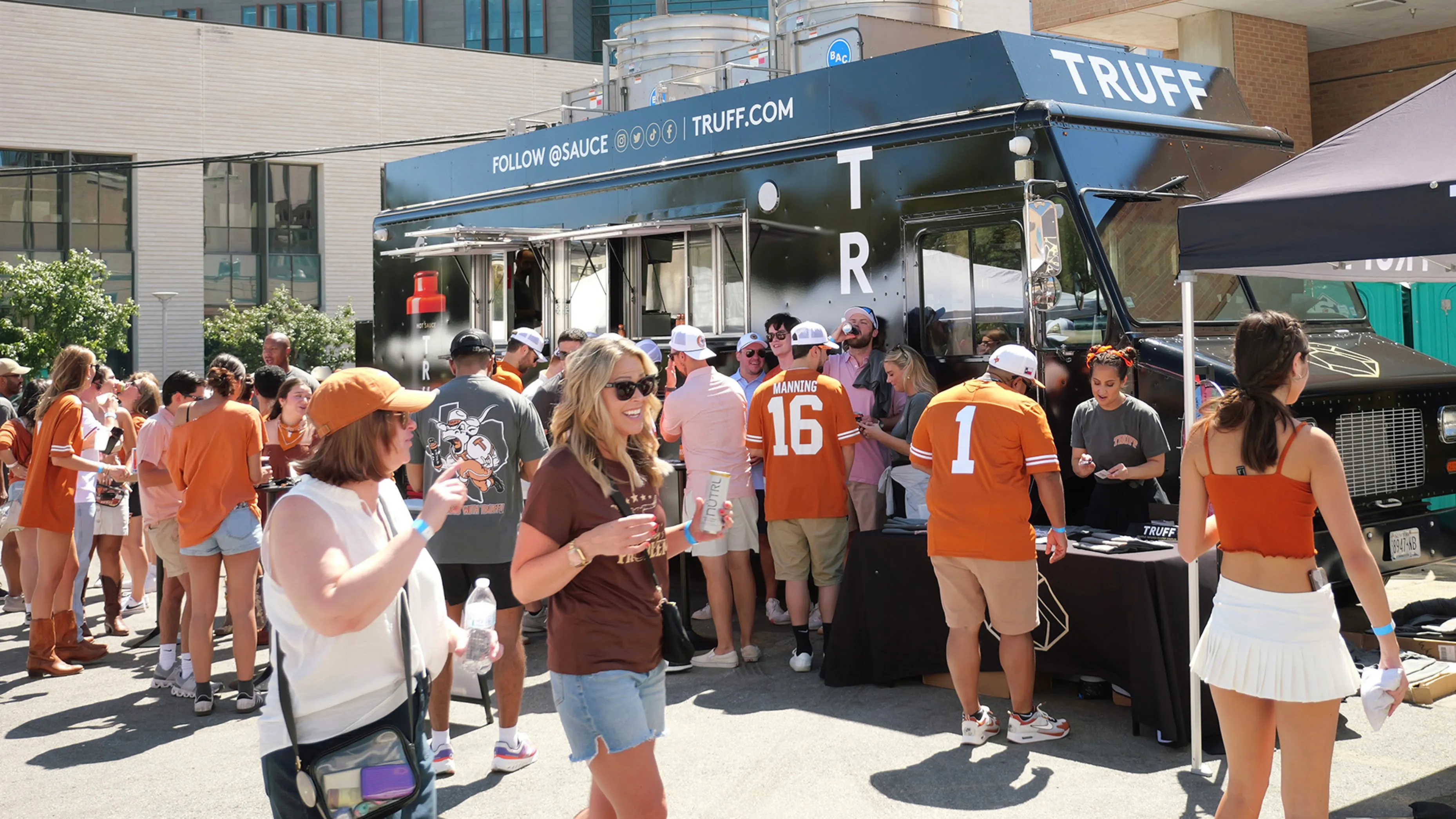
Dove Dove partnered with Promobile Marketing to create a branded food truck and to strategize a smart way of reaching their audience—and meeting them where they were already gathered. The Dove branded food truck travelled through LA, NYC, the Gulf Shore, and Alabama at Music Festivals to connect with women everywhere.
Apple No stranger to nostalgia-based marketing, most recently Apple created its Cookie Monster spot , which shows the Sesame Street character using Siri to bake cookies. The ad shows Cookie Monster using Siri to set a timer and play music while baking cookies.
McDonald's McDonald's created an adult-sized version of its iconic kids' meal, complete with a specially designed Happy Meal box, a Big Mac or 10 nuggets, fries, a drink, and a McDonald's mascot toy. In many locations, the meals sold out in days.
Effective Strategies in Generation X Nostalgia Marketing One of the biggest mistakes marketers make with generation x nostalgia marketing is assuming that simply referencing the past is enough to connect with gen x consumers. In our experience, nostalgia marketing works best when brands combine nostalgic feelings with authenticity, modern convenience, and a clear understanding of generation x characteristics, interests, and spending power. While younger generations like generation z and millennials often engage with trends for entertainment, most gen xers tend to value emotional connection, trust, security, and excellent customer service before they spend money on a product or company.
Use Retro Branding and Packaging Thoughtfully Retro packaging continues to be one of the most effective nostalgia marketing tactics because it instantly takes consumers down memory lane. Brands that bring back vintage logos, old-school food packaging, classic commercials, or throwback ads often create stronger emotional appeal among gen xers who grew up during the golden age of television, radio ads, arcade games, and early internet culture.
For instance, if you reintroduce a product with packaging inspired by the 1980s or 1990s era, consumers may associate it with positive lived experiences from childhood or young adulthood. We have seen businesses increase engagement significantly simply by bringing back older branding elements that customers remember from the past. Coca-Cola’s periodic retro campaigns and the resurgence of vintage snack branding are strong examples of how nostalgia can reinforce brand loyalty while still remaining relevant to modern audiences.
However, it depends on how the campaign is executed. Some brands lean too heavily into nostalgia without updating the customer experience, and consumers quickly lose interest. We recommend pairing retro branding with modern conveniences like mobile-friendly websites, fast delivery options, and digital discount offers so the experience still appeals to today’s audience.
Leverage Authentic Storytelling Rooted in Gen X Experiences Authenticity matters deeply when marketing to generation x because this generation tends to be skeptical of overly polished advertising campaigns. Many gen x consumers grew up during economic uncertainty, rapid technological change, and the transition from an offline world to the internet age, so they often respond better to storytelling that feels genuine rather than corporate.
One effective marketing strategy is to create video campaigns centered around relatable life experiences such as balancing careers with aging parents, raising children, remembering iconic movies and music, or navigating the shift from analog to digital culture. In our experience, storytelling campaigns that acknowledge real-life responsibilities resonate more strongly than campaigns focused purely on aesthetics.
A great example is how the tv show Stranger Things successfully connected with both generation X and gen Z audiences by blending nostalgic pop culture references with modern storytelling. The series recreated the feel of 1980s commercials, fashion, music, and movies while still feeling fresh for younger generations. That balance helped brands collaborating with the franchise create highly successful marketing campaigns across multiple demographics.
According to research from consumer behavior studies, emotional advertising can significantly improve customer recall and purchasing decisions because people naturally connect emotions with memory formation. That emotional connection is one reason nostalgia marketing remains such a powerful tool for marketers today.
Focus on the Digital Platforms Gen X Actually Uses Some businesses mistakenly assume gen X consumers are disconnected from digital marketing, but the opposite is often true. Generation X spends a significant amount of time online, especially on platforms like Facebook, YouTube, and email, although their usage patterns differ from generation z consumers who favor short-form video platforms.
We recommend that businesses prioritize email marketing campaigns, Facebook ads, long-form video content, and informative websites when targeting gen X consumers. In many cases, this audience prefers useful information over highly trend-focused content. For example, a nostalgic email campaign referencing classic music, old commercials, or memorable cultural moments may perform better than a heavily meme-driven campaign designed for younger audiences.
A client we worked with in retail tested two different advertising campaigns targeting gen xers. One focused on trendy internet humor, while the other used authentic storytelling and retro visuals inspired by the late 1980s. The nostalgic campaign generated a noticeably higher click-through rate and stronger customer engagement because the audience felt emotionally connected to the messaging.
That said, not every gen X consumer behaves the same way. Some are highly active on newer social media platforms, while others prefer email newsletters or desktop browsing. It is important for marketers to research audience behavior instead of relying on stereotypes about age or technology adoption.
Collaborate With Nostalgic Pop Culture Icons and Events Collaborations can be incredibly effective in generation x nostalgia marketing because recognizable cultural figures instantly create familiarity and trust. Brands often see stronger audience engagement when they partner with musicians, actors, athletes, or entertainment franchises associated with the era many gen xers remember most fondly.
For example, companies have successfully revived interest in products through reunion tours, anniversary campaigns, vintage-themed events, or collaborations tied to classic movies and music from the 1980s and 1990s. These campaigns work because they trigger nostalgic feelings while giving consumers an opportunity to reconnect with a meaningful part of their past.
We recommend choosing collaborations carefully so they feel authentic to the brand rather than purely commercial. Consumers can usually tell when a company is forcing nostalgia simply to generate attention. In our experience, authenticity is often the deciding factor between a successful campaign and one that audiences quickly forget.
Balance Nostalgia With Modern Relevance While nostalgia is powerful, brands cannot rely on the past alone. One of the most important strategies in generation X nostalgia marketing is balancing retro appeal with present-day relevance. Gen X consumers may appreciate nostalgic branding, but they still expect modern functionality, convenience, and innovation.
A step-by-step approach we often recommend includes:
Research the cultural moments most relevant to your audience. Identify nostalgic themes connected to your product or business. Create authentic campaigns that reflect real lived experiences. Update the experience with modern technology and customer expectations. Measure engagement and refine the campaign based on customer feedback. This balance is especially important because generation X often acts as a bridge between baby boomers and younger generations like millennials and gen Z. Many gen xers appreciate nostalgia, but they also adapted quickly to the digital world and expect businesses to evolve with the future.
As marketing expert Douglas Holt once explained, “Authenticity is one of the cornerstones of powerful branding.” That insight is especially relevant when using nostalgia in advertising. The goal is not simply to remind consumers about the past, but to create campaigns that feel meaningful, trustworthy, and emotionally relevant in the present world.
Nostalgia Marketing Elements vs. Gen X Response One of the reasons generation x nostalgia marketing works so effectively is because different nostalgic elements trigger specific emotional responses tied to lived experiences, culture, and memory. In our experience, the most successful nostalgia marketing campaigns are the ones that understand exactly which parts of the past create an emotional connection for gen x consumers and then connect those feelings to a relevant modern marketing strategy.
Nostalgic Element
Description
Gen X Emotional Response
Marketing Impact
Retro Packaging
Bringing back vintage logos, old-school food packaging, or classic product designs from the 1980s and 1990s era.
Creates nostalgic feelings and familiarity by reminding consumers of childhood or teenage experiences.
Helps brands increase brand loyalty and stand out in crowded markets.
Classic Music
Using songs from the golden age of rock, hip-hop, or pop culture in commercials, video ads, or campaigns.
Sparks emotional connection and takes most gen xers down memory lane.
Improves ad recall and audience engagement, especially on social media and television advertising.
Vintage Commercials and Radio Ads
Recreating the style of older ads or referencing iconic radio ads and tv commercials from the past.
Makes campaigns feel authentic and culturally relevant to generation x consumers.
Encourages consumers to trust the company and spend more time engaging with the campaign.
Pop Culture References
Referencing movies, arcade games, fashion, or shows connected to gen x culture.
Reinforces shared lived experiences and creates excitement around familiar cultural moments.
Expands campaign reach across both gen X and younger generations like millennials and gen z.
Analog Technology
Featuring cassette tapes, VHS players, early computers, or retro gaming systems in advertising.
Reminds gen xers of the transition from offline life to the internet age.
Helps marketers create memorable campaigns that balance nostalgia with innovation.
Authentic Storytelling
Sharing relatable stories about work, family, aging parents, children, and growing up during major cultural shifts.
Builds trust because generation X often values authenticity over trend-focused marketing.
Strengthens customer relationships and long-term emotional appeal.
Throwback Events or Collaborations
Partnering with nostalgic celebrities, reunion tours, or retro-themed events.
Creates excitement and social conversation among consumers who remember the original era.
Boosts visibility, audience participation, and overall marketing campaign performance.
Facebook Memory Campaigns
Using Facebook content, anniversary posts, or throwback photos tied to major moments from the past.
Encourages emotional interaction and personal reflection among gen X consumers.
Increases engagement, sharing behavior, and customer interaction online.
Retro-Inspired Video Content
Producing video ads inspired by old-school editing styles, music videos, or classic television aesthetics.
Makes brands feel more relatable and emotionally engaging.
Helps businesses connect with audiences across multiple digital platforms.
Limited-Time Discount Offers
Combining nostalgia themes with exclusive products or discount offers tied to memorable moments or eras.
Creates excitement while appealing to gen x spending power and buying habits.
Encourages faster purchasing decisions and higher conversion rates.
Measuring the Impact of Nostalgia Marketing on Generation X One of the biggest reasons brands invest in generation X nostalgia marketing is because it can create strong emotional connection, improve brand loyalty, and increase customer engagement across multiple platforms. However, in our experience, even the most creative nostalgia marketing campaigns can fall short if marketers do not properly measure performance and understand what actually resonates with gen x consumers. The most effective marketing strategy combines nostalgic appeal with clear data, customer feedback, and measurable business outcomes.
Key KPIs to Track in Generation X Nostalgia Marketing When marketing to generation X, brands should focus on metrics that go beyond simple impressions or website traffic. Since gen x consumers often value authenticity, trust, and long-term relationships with brands, measuring emotional engagement and repeat behavior is especially important.
Here are some of the most valuable KPIs marketers should track:
KPI
Why It Matters for Gen X Nostalgia Marketing
Example of Success
Engagement Rates
Measures how consumers interact with ads, video content, and social media campaigns.
Increased comments and shares on Facebook nostalgia campaigns.
Brand Recall
Shows whether consumers remember the company or campaign after viewing it.
Consumers remembering retro packaging or old-school commercials weeks later.
Conversion Rates
Tracks how many consumers take action after engaging with nostalgic advertising.
Higher purchases after a throwback product launch or discount offers.
Customer Retention
Measures whether nostalgic campaigns improve long-term brand loyalty.
Repeat purchases from gen xers after a retro-themed campaign.
Social Media Mentions
Helps marketers understand audience sentiment and campaign reach.
Increased online discussion around nostalgic music, movies, or commercials.
Email Open Rates
Important because generation X still engages heavily with email marketing.
Higher click-through rates on nostalgia-themed email campaigns.
Sentiment Analysis
Reveals whether nostalgic feelings toward the campaign are positive or negative.
Positive reactions tied to emotional storytelling and authenticity.
In some cases, emotional response can matter just as much as direct sales. For example, a nostalgia campaign may not immediately boost revenue, but it could significantly improve brand perception and customer trust over time. We recommend evaluating both short-term and long-term results when measuring campaign effectiveness.
As Gio Martinez, CSO and Co-Founder at Promobile Marketing, explains, “Sampling without measurement is just distribution. The real value comes from understanding how those interactions translate into behavior such as purchases, engagement, and long-term loyalty.” That insight applies directly to generation x nostalgia marketing because emotional campaigns are most effective when brands actively measure how consumers respond, engage, and ultimately connect with the brand over time.
Tools and Methods for Tracking Campaign Effectiveness Successful nostalgia marketing requires more than creative ideas. It also requires consistent research, audience tracking, and performance analysis to understand what connects with generation x consumers and why.
One of the most effective methods is customer surveys. Surveys allow brands to directly ask consumers how a campaign made them feel, what memories it triggered, and whether it influenced purchasing behavior. In our experience, gen x consumers often provide detailed feedback because they appreciate brands that genuinely listen to their audience.
Analytics platforms are also essential for measuring campaign performance. Tools like Google Analytics, Meta advertising dashboards, and email marketing platforms help marketers track:
Website traffic Conversion rates Video watch time Audience demographics Engagement patterns Customer journey behavior Social listening tools are equally important because nostalgia campaigns often generate emotional discussions online. Monitoring comments, shares, hashtags, and conversations on platforms like Facebook helps businesses understand how audiences emotionally respond to specific nostalgic elements.
We also recommend A/B testing multiple nostalgia marketing ideas before launching large campaigns. For instance, if you are unsure whether gen x consumers will respond more strongly to retro music or throwback commercials, testing both versions can help identify which approach creates the strongest emotional appeal.
Why Choose Promobile Marketing for Your Nostalgia Campaigns One of the biggest advantages of working with Promobile Marketing is our client-centric approach. Instead of using one-size-fits-all advertising strategies, we develop customized marketing solutions based on audience characteristics, interests, spending power, and customer behavior. In some cases, a nostalgia campaign may work best through experiential pop-up activations and food truck promotions, while other brands may benefit more from video campaigns, social media advertising, or interactive digital experiences. We recommend this kind of flexible approach because generation x consumers often respond differently depending on the product, platform, and emotional appeal being used.
Promobile Marketing also has nationwide reach across the US , making it easier for businesses to launch campaigns in multiple cities while maintaining a consistent brand experience. This is especially important for nostalgia marketing campaigns because emotional connection and brand loyalty are often strengthened through real-world interaction and memorable customer experiences.
Our expertise in experiential marketing , sampling campaigns , pop-up activations , and audience engagement strategies makes us particularly well-positioned to help brands create nostalgia campaigns that resonate with gen xers. For instance, campaigns featuring retro packaging, classic music, throwback commercials, or culturally recognizable themes can become far more impactful when combined with interactive experiences that consumers can physically engage with.
At the same time, we understand the importance of balancing nostalgia with modern expectations . Most gen X consumers appreciate references to the golden age of music, movies, and early internet culture, but they still expect seamless digital experiences, excellent customer service, and campaigns that feel relevant in today’s world. That balance between past and present is often what separates successful nostalgia marketing from campaigns consumers quickly forget.
If your business is looking to create a powerful nostalgia marketing campaign that connects with generation x consumers and drives measurable results, we recommend reaching out to our team to discuss your goals, audience, and campaign ideas. You can get a quote or contact the team to learn how they can help your brand create authentic campaigns that build emotional connection, customer engagement, and long-term brand loyalty.
Need Us To Handle Your Generation X Nostalgia Marketing? Generation X nostalgia marketing works best when brands understand how to combine emotional connection, authenticity, and modern marketing strategy in a way that genuinely resonates with gen X consumers. From retro packaging and nostalgic video campaigns to experiential activations, Facebook advertising, and storytelling rooted in lived experiences, the right nostalgia marketing approach can help businesses strengthen brand loyalty, increase customer engagement, and connect with audiences across multiple generations.
At Promobile Marketing , we have over a decade of experience helping brands create memorable marketing campaigns that feel authentic, culturally relevant, and results-driven. Whether you want to reach generation X, millennials, baby boomers, or younger generations like gen z, our team can help you build campaigns that balance nostalgia with modern relevance while delivering measurable impact.
Ready to create a nostalgia marketing campaign your audience will not forget? We recommend reaching out to our team to discuss your goals, audience, and campaign ideas.
FAQs Generation X nostalgia marketing continues to grow because brands are realizing how powerful emotional connection and lived experiences can be in modern advertising. Below are some of the most common questions businesses ask about nostalgia marketing, generation X consumers, and how to create campaigns that feel authentic and relevant.